Punta Cana or Mexico for an Indian Wedding?
Choose between Punta Cana and Mexico by comparing specific venues against the same Indian wedding program, guest origins and total budget. Mexico is not one resort market: a Riviera Maya proposal is different from a Los Cabos or Puerto Vallarta proposal. The stronger option is the one that can host your chosen ceremonies, accommodate your guests and deliver a workable, clearly priced plan.
Evaluate a concrete Punta Cana proposal
Share your celebrations, approximate guest count and main departure cities with Sertuin Events to define the Punta Cana option clearly before comparing destinations.
Indian destination wedding planning in Punta Cana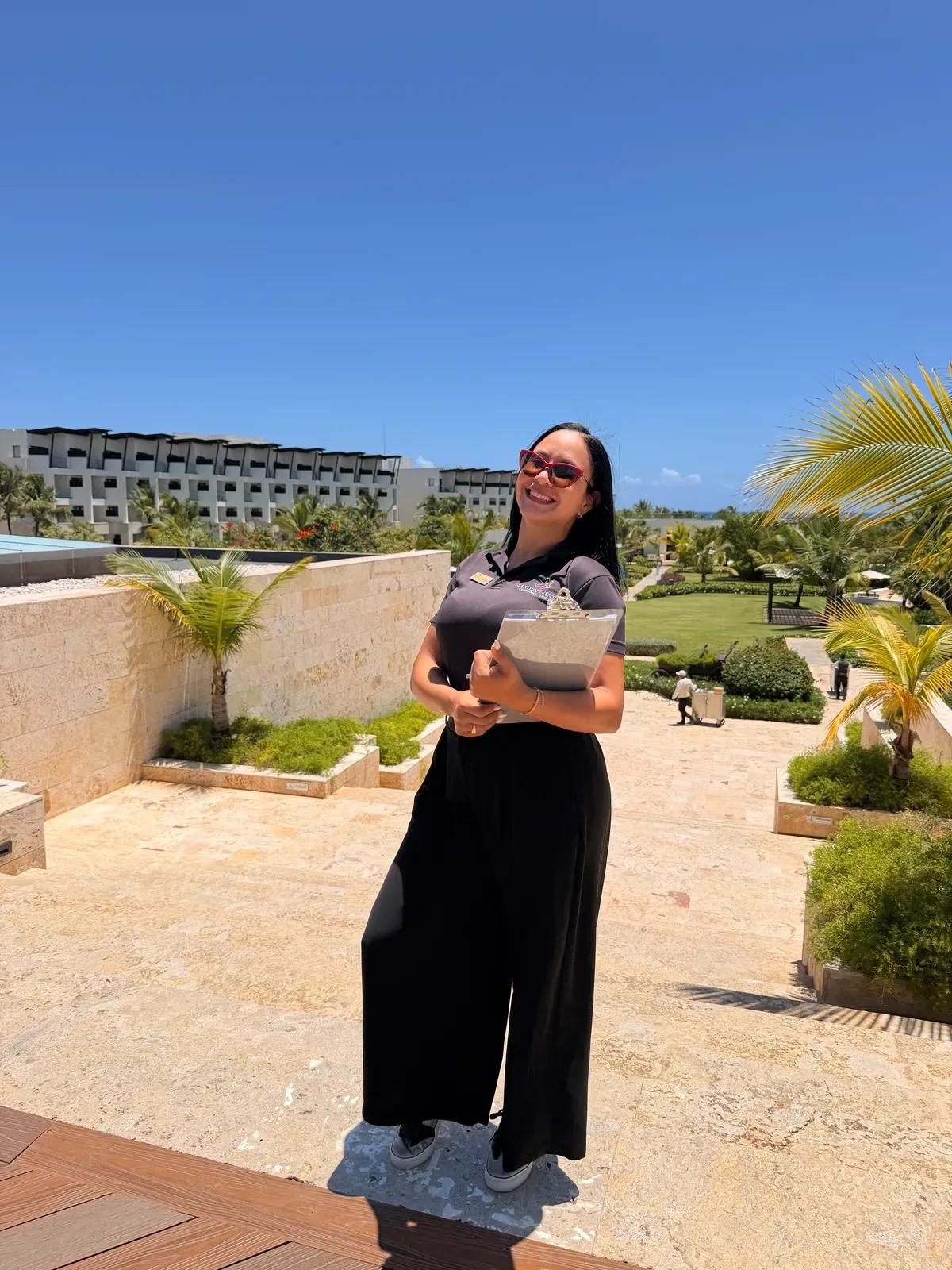
Turn a country comparison into a venue comparison
Start with Punta Cana and one or two clearly identified Mexican locations, then shortlist actual properties in each. Write the property's full name and address beside its proposal. A national reputation, a photograph of another hotel or a package from another destination cannot establish whether a specific venue fits your celebration.
Compare the same dates or comparable date windows, rather than the cheapest dates you happen to find in each place. If you are genuinely flexible, price a second window in both destinations. This allows you to identify whether a difference comes from the location, the timing or a changed event program. Keep those explanations attached to the totals.
Define what Indian wedding means for your family
Indian identity does not prescribe one religion, guest count or set of ceremonies. List the celebrations you want, who will direct them, their expected duration and their practical requirements. Ask family members about their priorities before allowing a package brochure to become the program.
Separate essential requirements from preferences. A ceremony requirement approved by your religious authority may determine whether a space is suitable. A preferred colour scheme may be adaptable. Give each venue the same list and ask for written responses. A generic statement that a hotel hosts Indian weddings is a starting point for questions, not confirmation of your complete brief.
Use an equivalent event grid
Create a comparison line for every activity: guest number, meal, duration, setup, technical needs and weather alternative. Include arrival and departure needs where the hosts have responsibilities. If one proposal combines events that the other keeps separate, adjust the grid before comparing prices.
Do not assume that four event days means the same amount of service in two offers. One might include a brief welcome and three major celebrations; another might quote several full private events. Count the work you need, not only the dates on the calendar. Ask both destinations to price the same version first, then compare optional alternatives.
Compare travel from the guests' actual starting points
List the main departure cities represented by your guests and check available itineraries for your proposed dates. Compare total journey time, connections, baggage and the arrival time relative to the first event. A destination that is convenient for one family branch may require a much longer journey for another.
Do not rank airports using undated claims about direct flights. Routes and schedules can change, and an itinerary available today may not operate on the required day. Ask guests to verify their own travel documents and entry or transit requirements with the relevant official authorities before booking. A planner can organize information without assuming that everyone has the same passport, residence status or travel permissions.
Assess the whole arrival journey
The flight is only part of the trip. Ask for a transfer proposal from the actual arrival airport to the actual hotel, including vehicle capacity, baggage, waiting arrangements and pickup instructions. Check the effect of guests arriving on different flights. A single group transfer may not serve everyone conveniently.
Discuss accessibility needs directly with the transport and accommodation providers. Do not assume that a standard vehicle or room meets a particular guest's needs. Compare the confirmed arrangements in both destinations, along with the people responsible for helping guests when arrival details change. Avoid quoting a universal airport-to-resort travel time; the specific route and conditions matter.
Check event spaces with your layout
Ask each venue to show where every ceremony and reception would take place. Evaluate usable space with seating, ceremony structures, buffet or service areas, technical equipment and circulation included. A marketing capacity alone may describe a different arrangement from the one your family needs.
Hard Rock's official wedding pages describe South Asian weddings and event spaces at both Punta Cana and Riviera Maya. That provides two concrete examples of destinations to investigate, not a recommendation that one is best for every group. Request current availability and a layout-specific proposal rather than treating the presence of a ballroom as confirmation that your dates and program are secured.
Evaluate the alternative plan as carefully as the beach plan
For every outdoor activity, ask what alternative space can actually be reserved, when the decision is made and who communicates it. Confirm that the alternative accommodates the same ceremony requirements and guest number. A smaller indoor space may require a different layout or may be unsuitable altogether.
Compare any charges for holding the alternative, relocating décor, moving equipment or changing service arrangements. Ask what the venue itself provides and what outside suppliers must do. Both the Dominican Republic and Mexico require location-specific weather planning; this comparison does not promise dry conditions or declare one destination immune to disruption. The useful question is how the chosen venue prepares.
Test the menu against the family's needs
Ask each catering team for a proposed menu rather than relying on the phrase Indian food. Discuss dishes, regional preferences, service style, tasting arrangements and dietary needs. Identify vegetarian, vegan, Jain and allergy-related requirements individually, with the people concerned confirming what they need.
Compare who will prepare the menu, which ingredients or services require further confirmation and whether the proposal includes each private meal. If an outside catering solution is being considered, confirm permission before assuming it is feasible. Do not infer culinary suitability from a restaurant's name or a wedding gallery. The current written response from the kitchen is more useful.
Compare suppliers by confirmed scope and access
List photography, video, décor, artists, performers and any specialist professional your chosen program needs. Ask each venue about current outside-supplier conditions, required documents and access arrangements. These rules can be property-specific, so even hotels within the same brand should be checked separately.
For each supplier, compare the service itself and the costs needed to deliver it: coverage, staff, equipment, travel, accommodation and approved access. A lower professional fee can be outweighed by logistics, while a local option may or may not offer the style you want. Request actual portfolios and proposals without assuming that nationality or proximity establishes competence.
Price the same budget boundaries
Decide whether your comparison includes only the hosts' event costs or also accommodation and travel they will pay for. Keep guest-paid expenses visible in a separate section. A destination can look cheaper for the hosts because guests pay more, which is a change in responsibility rather than proof of a lower overall cost.
Compare venue and catering, production, planning, specialists, transport, agreed travel support and compulsory charges. Preserve the original currencies and use the same dated comparison basis. Ask whether taxes and mandatory service charges are included in each proposal. Do not convert an incomplete headline package into a total budget by assuming every blank line costs nothing.
Use a hypothetical example to reveal the tradeoff
Imagine, only as an illustration, that two venues quote the same amount for an equivalent event program. Option A requires most guests to take an extra connection, while Option B has a more convenient itinerary for those particular travellers. The event totals alone would not explain the difference in attendance effort. This example makes no claim about actual routes to either destination.
Now imagine that A offers a confirmed alternative space meeting every ceremony requirement, while B's alternative is still awaiting approval. You have a different tradeoff: travel convenience against an unresolved operational need. The right response is to obtain the missing answer, not immediately award the destination with easier travel the higher overall score. Keep critical conditions separate from preferences.
Distinguish planning roles from hotel coordination
Ask who will manage the whole program, family requests, outside suppliers and the shared timeline. Hotel coordination may cover the hotel's contracted services; independent planning may cover a broader agreed scope. Confirm the responsibilities rather than assuming that one job title always includes everything.
Sertuin Events is based in Punta Cana and publishes a specialized South Asian planning service. For a Punta Cana proposal, ask which responsibilities its written agreement covers and how its team will coordinate with the venue. Do not infer from this comparison that Sertuin offers the same operational service in every Mexican destination. Evaluate each destination's actual team and agreement.
Consider the burden on guests before announcing the choice
Prepare a realistic attendance summary: expected stay, rooms, travel, transfers, included events and optional activities. Check the likely cost for a solo traveller and for a household, since a per-person headline can hide occupancy assumptions. Do not describe a room rate without the conditions that determine who can use it.
Give guests enough information to decide without making promises on their behalf. If essential relatives cannot manage a route, accommodation cost or schedule, revisit the plan before commitments multiply. Attendance is not guaranteed because an invitation is important. The destination should support the people you hope to include as well as the celebration you want to create.
Use a decision matrix without false precision
Agree on the criteria that matter: ceremony feasibility, total host commitment, guest affordability, journey practicality, menu confirmation, backup space and the team's responsibilities. Mark each as confirmed, conditional or unresolved. Then identify which conditions are non-negotiable for your family.
If you use numerical scores, treat them as a discussion aid rather than objective proof. A beautiful setting should not compensate mathematically for a ceremony the venue cannot accommodate. You may choose different weights for convenience and design, but an essential requirement needs a satisfactory answer. Record the reason behind the preferred option so future decisions remain consistent.
Resolve remaining questions before deposits
Ask the shortlisted venues for an updated proposal, price validity, booking procedure and payment schedule. Confirm availability of the event spaces and room arrangements that matter to your program. Ask how modifications or cancellations are handled in the actual agreement.
Keep a list of conditions still open and who is responsible for confirming them. Do not assume that a provisional discussion reserves the venue. Before paying, make sure the proposal you are accepting is the version you compared, including any negotiated changes. A clear written decision prevents an attractive comparison from turning into a different purchase at the booking stage.
Choose the plan you can explain clearly
The final choice should be explainable in concrete terms: the venue can deliver the approved ceremonies, the costs and responsibilities are understood, and the main guest groups have workable travel arrangements. That is more useful than declaring one country universally better for Indian weddings.
If both options satisfy the essentials, personal preference can reasonably decide between them. You do not need an invented ranking to justify a place you love. Keep the approved comparison and turn it into the planning brief, assigning next steps to the venue, planner and family. The comparison has done its job when it supports a specific, deliverable celebration.
Related planning guides
Continue with these guides to turn the questions in this article into a practical planning brief for your celebration.
Frequently asked questions
Is Punta Cana always cheaper than Mexico?
No. Compare named venues with the same program, attendance, dates and budget boundaries. Neither country has one universal wedding price.
Which Mexican destination should we compare?
Choose a specific area and property based on your guest origins and event needs. A Riviera Maya proposal is not interchangeable with one in Los Cabos or Puerto Vallarta.
Are direct flights the deciding factor?
They are one factor and must be checked for actual dates and departure cities. Ceremony feasibility, budget, guest needs and venue arrangements also matter.
Does a resort advertising Indian weddings guarantee our program?
No. Ask for written confirmation of your particular ceremonies, materials, menu, spaces and supplier arrangements.
 DR Web Studio

