Catholic Weddings in Punta Cana: Steps and Timing
Begin with your home parish and the receiving Catholic parish before committing to a Punta Cana ceremony. They must confirm preparation, documents, permissions, location and the person authorized to assist at the marriage. A resort reservation does not supply church approval. Establish civil documentation separately and build your travel schedule around the church's confirmed process.
Coordinate the celebration around church approval
Share the confirmed parish, ceremony plan and guest needs to organize your Punta Cana wedding logistics.
destination wedding coordination in Punta Cana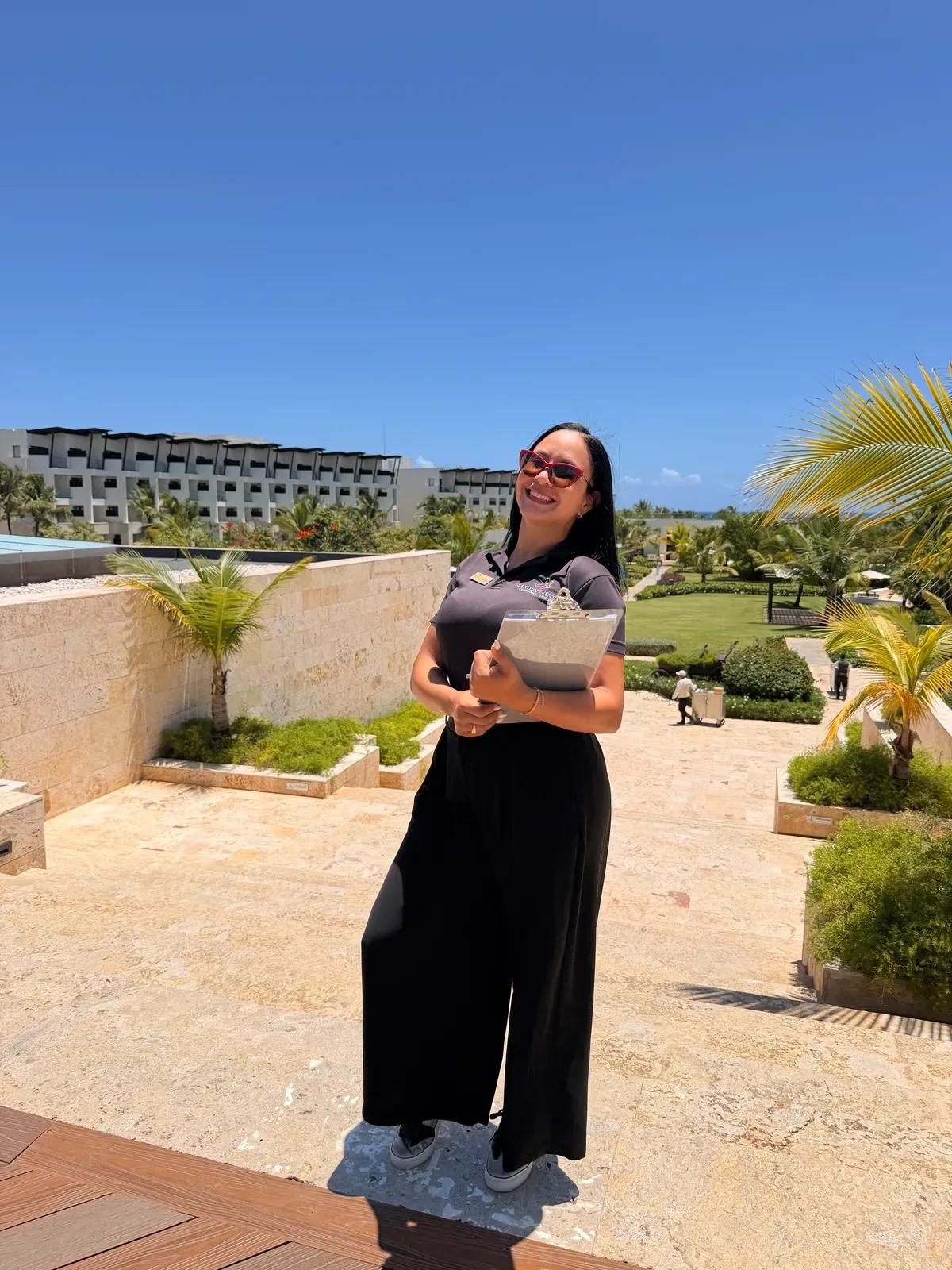
Contact both parishes before booking the ceremony
Tell your home parish that you hope to marry in Punta Cana. Ask who will prepare the marriage file and coordinate its transfer. At the destination, identify the receiving parish and the person authorized to confirm the date, place and requirements. Avoid treating a hotel wedding coordinator as the final religious decision-maker.
Provide your preferred date range and essential circumstances early. A provisional venue hold can help planning, but it is not confirmation that the parish has accepted the marriage file or that the proposed celebrant may officiate. Keep those approvals explicit.
Understand why the location needs approval
Catholic canon law provides rules for the place and form of marriage. Canon1118 addresses celebration in a parish church and permission for other locations. A beachfront view, hotel chapel or supplier's description does not establish that the location is approved for your ceremony.
Ask the receiving parish about the exact place before commissioning ceremony décor. If another location requires permission, let the church direct that process. Do not assume an exception granted to another couple applies to your event.
Treat local venue information as a lead to confirm
Puntacana Resort's official wedding information identifies Nuestra Señora de Puntacana Catholic Church and describes Spanish-language Catholic ceremonies, with translation possible. This identifies one advertised setting, not a promise of availability or a universal rule for every church in the area.
Confirm the parish contact, access arrangements, approved ceremony language and conditions for your date. Ask whether venue and parish reservations are handled together or separately. A reception contract should not leave the ceremony location unresolved.
Build the document list with the church
Ask for the specific baptismal and other sacramental records, preparation evidence, permissions and civil documents required in your case. Confirm issue-date requirements, annotations, signatures, seals, translations and the route through parish or diocesan offices. Do not substitute a photocopy or older certificate without approval.
Track each item by issuing parish, requested version, responsible person and due date. If one parish sends the file to another office, ask who acknowledges receipt. A courier delivery receipt proves arrival at an address, not acceptance of the complete file.
Discuss personal circumstances privately and early
Tell the priest about any previous marriage, different religious affiliations or other circumstances that may affect preparation or permission. A civil divorce does not by itself resolve every question under canon law. Seek the church's determination before advertising a confirmed Catholic wedding.
This discussion belongs with the competent church authority. Share only the operational outcome with suppliers: whether the date is approved, which format is authorized and what deadlines remain. A large wedding email group should not become the place for sensitive pastoral questions.
Make a calendar from the receiving parish's requirements
Ask the home and destination parishes for their actual processing steps rather than applying a universal countdown. Preparation meetings, obtaining records, reviews and permissions may depend on your circumstances. Work backward from the receiving parish's deadline and leave time to correct a rejected or incomplete document.
Choose contract terms that reflect the state of approval. Record which deposits are refundable or transferable if a church date cannot be confirmed. A planner can track deadlines, but cannot guarantee how long an ecclesiastical review will take.
Agree the liturgy, language and participants
Discuss the appropriate form of celebration, readings, music and roles with the priest. Confirm what can be personalized and what follows approved liturgical requirements. If some guests do not understand the ceremony language, ask how a translated program or interpretation can support them without interrupting the service.
If you hope to bring a priest from home, ask the destination parish what permissions and credentials it needs. Travel arrangements alone do not authorize a visiting priest to assist at your marriage. Settle this before buying nonrefundable flights for the proposed celebrant.
Coordinate the church-to-reception journey
Plan vehicle access, guest arrival, seating assistance and departure after the ceremony. Walk through the route for older relatives and anyone with mobility needs. Allow time for the permitted photographs without keeping guests waiting without information or transport.
Confirm floral installation, music equipment and photography rules with the church, then issue the same instructions to suppliers. Keep the reception schedule flexible enough to accommodate the actual church timetable. The service should not be rushed to rescue an unrealistic cocktail-hour start.
Keep a church approval record, not just a venue reservation
Create a simple record of the decisions the receiving parish has actually confirmed. Include the proposed date and place, the person responsible for the file and the stage reached in its review. Distinguish an initial conversation, a provisional calendar entry and a final confirmation rather than describing all three as booked.
When instructions come through an event coordinator, ask who at the parish issued them and where follow-up questions should go. This is not a reason to bypass a useful coordinator; it ensures that religious decisions remain traceable to the authority making them. Keep the couple copied on substantive confirmations.
If the venue and parish use different forms, check that names, date, time and ceremony type match. A reception booking may be perfectly valid while the religious appointment is still unresolved. Track both accurately so the planning team does not print an unconfirmed church time on guest materials.
Ask each parish how the file moves
Request the transfer route before sending original records. Your home parish may need to involve another church office, and the receiving parish should explain how it expects the completed file. The appropriate route must come from those offices, not from a planner choosing the fastest courier.
Name a responsible contact at each handoff and ask how receipt and acceptance will be acknowledged. Record the document version and date sent. If an office asks for an additional item, find out whether it should be added to the existing file or whether a revised complete file must be transmitted.
Keep a secure copy for reference, but do not assume possession of scans gives the couple permission to complete every transfer independently. Similarly, an email attachment should not be treated as a replacement for an original when the receiving parish requests one. The goal is to follow the accepted process without losing track of the paperwork.
Make preparation compatible with travel planning
Tell the home parish about travel dates and the intended destination early enough for it to propose an appropriate preparation schedule. Ask what participation is expected from both partners and how completion is documented. If work or distance makes a proposed meeting difficult, discuss alternatives with the parish rather than silently omitting it.
Do not confuse preparation completed at home with automatic acceptance at the destination. Ask who checks that the required evidence has reached the receiving parish. A couple can complete their meetings responsibly and still need to resolve a missing record or approval before the wedding is confirmed.
Leave space in the travel schedule for any confirmed local meeting or rehearsal. Ask whether both partners, witnesses or other participants must attend. Build those commitments into the itinerary before promising the same hours to photographers, beauty suppliers or a welcome activity.
Confirm who has authority over each part of the service
The priest or receiving parish should guide the liturgical order. The planner coordinates the approved practical arrangements, while the venue team manages its own facilities. Write those responsibilities into the working schedule so suppliers know whom to ask before changing a procession, placing equipment or adding music.
If a visiting priest is proposed, identify who confirms credentials and permissions and who communicates the outcome. Do not put the visiting priest's name on a final program merely because flights have been booked. The destination church's acceptance remains a separate matter.
Agree who leads the rehearsal and who translates practical instructions where needed. A rehearsal helps participants understand movement and timing; it is not an opportunity for event production to replace the approved religious order with a preferred photographic sequence.
Prepare readings and music through the parish
Ask the priest for the permitted choices and the process for approving them. Once readings are selected, give readers the exact text, language and location of their contribution. Check pronunciation and microphone use at the appropriate time rather than asking someone to read unfamiliar material during the service.
Send proposed music to the parish before contracting a performance that depends on approval. Specify whether music is live or recorded and what equipment it requires. A singer's wedding repertoire does not establish that every selection is suitable for this liturgy.
Printed programs should follow the approved order and use translations the parish considers appropriate. Proofread names, titles and responses before printing. If several languages are needed, prioritize clarity and legibility instead of putting so much parallel text on each page that guests cannot follow the service.
Brief photographers without turning the service into a shoot
Ask the church about permitted positions, movement, flash, tripods and any moments that should not be interrupted. Give the same instructions to both photography and video teams. Their equipment needs should be resolved before guests arrive, especially where a narrow aisle or limited electrical access affects setup.
Identify when posed family photographs can take place and whether the church has a time limit after the service. Prepare the group list in advance and ask a family representative to help gather people. This protects the reception timetable without asking the religious service to move faster.
Tell guests if the parish requests a particular approach to phones or movement during the ceremony. The message should be clear and courteous. A supplier should not have to compete with relatives standing in an aisle or discover that a requested camera position is not permitted after the service begins.
Test the transfer from church to celebration
Walk through the departure as if you were a guest unfamiliar with the destination. Where will vehicles wait, who tells people which vehicle to board and where can someone sit while waiting? Check the route for a wheelchair, walking aid or stroller if those needs apply to your group.
Separate transport for the couple's portraits from transport for everyone else. Guests should not remain without a departure plan because the wedding party is taking photographs. Confirm who communicates with drivers and how a delayed departure affects the next meal or cocktail service.
Include a practical provision for rain during arrival and departure even when the religious service itself is indoors. Ask where vehicles may stop and how guests reach shelter. The church reservation and reception rain plan do not automatically cover that transition.
Compare church-related payments by their actual purpose
Request a clear explanation of any amounts payable for the church arrangements and any separate services such as music, interpretation, transport or event coordination. Identify the recipient, payment method and what has been confirmed. Do not call every payment a church donation or assume that a venue package covers all parish arrangements.
Ask what happens financially if the religious date cannot be approved or must change. The parish's arrangements and the reception supplier's cancellation terms may be different. Keep those distinctions visible when deciding how much to commit before approvals are complete.
Retain confirmations in the appropriate planning record. The objective is transparent responsibility, not pressure on the parish to guarantee a process that depends on review. A well-organized budget reflects both the confirmed service and the remaining conditions.
Plan the final documentary handover
Before leaving the destination, confirm which church record will be issued, who handles any agreed civil registration and how the couple receives the relevant documents. Ask which office should be contacted if a detail needs correction. Avoid relying on a verbal promise with no named person responsible.
If additional formalities will be needed in your country of residence, ask the competent authority for its own requirements. Keep the religious record, civil record and commemorative materials clearly identified. They may serve different purposes even when they all concern the same wedding date.
Finally, give the couple a short list of outstanding tasks and expected contacts. Completing the reception should not leave them unsure whether the parish file, civil documentation or delivery of records still requires attention.
Confirm civil effects and the final records
Ask the appropriate church and civil authorities how the marriage will be documented and registered for civil purposes in your particular arrangement. Do not assume that a church souvenir certificate completes every civil requirement or the formalities needed in your country of residence.
Before departing, establish who follows the paperwork, how the official record is obtained and who handles corrections. Keep a separate checklist for any authentication, translation or registration needed abroad. The operational end of the reception is not necessarily the end of the documentary process.
Frequently asked questions
Can we book a Catholic beach ceremony through a hotel?
Confirm the exact location with the competent church authority first. Hotel availability does not constitute ecclesiastical permission.
How many months are required?
Ask both parishes for the process applicable to your case. Do not rely on a universal timeline or an old resort brochure.
Can our own priest travel to celebrate?
Ask the receiving parish about permissions and credentials before booking travel.
Does civil divorce settle church eligibility?
Not automatically. Discuss every previous marriage privately with the priest or competent ecclesiastical authority.
Can the ceremony be in English?
Confirm language with the receiving parish and celebrant. Do not assume an advertised option is available at every church.
 DR Web Studio

