What to Define Before Your First Punta Cana Wedding Planner Meeting
Before the first wedding-planning meeting, bring one or more possible dates, a realistic budget range, an approximate guest count and the ceremony type you want. Share religious, cultural and dietary needs early. Inspiration images help, but a finished moodboard and final venue are not required.
Start your Punta Cana wedding with a clear first meeting
We help you turn the information you have into a practical destination-wedding plan.
Meet Grecia and the packages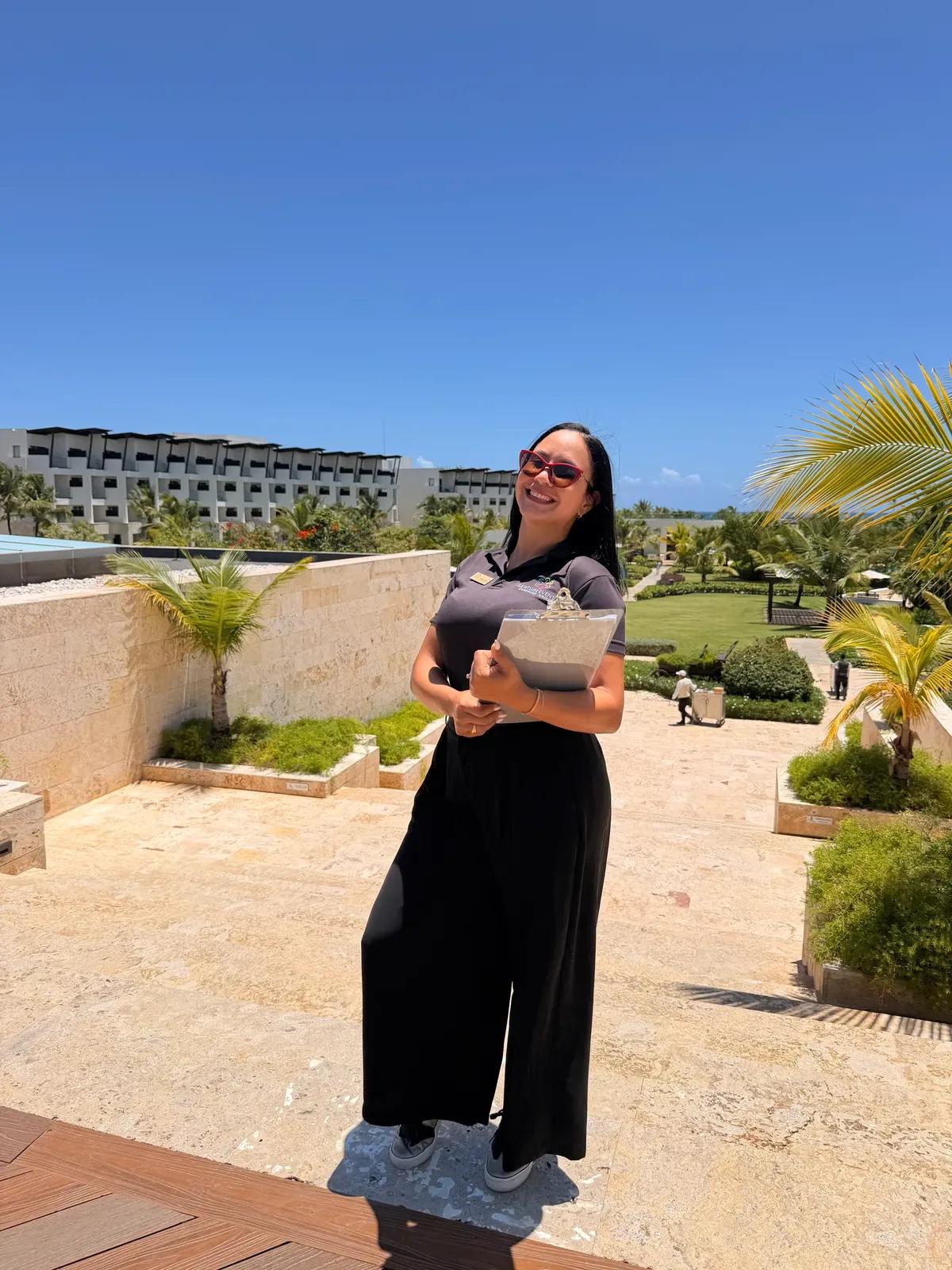
Dates and budget
You can arrive with several possible dates; a fixed date is not required for the first conversation. You should, however, have a clear estimate of what you want to spend. A range allows the planner to compare realistic venues and priorities without wasting time on options that do not fit.
Guest count and venue direction
Bring an approximate number of guests. You may already prefer a resort, villa, restaurant or private beach, but the planner will test that preference against the group size, logistics and budget. The first major planning priority is the venue, followed by food, décor, photography and the remaining suppliers.
Ceremony type
Decide whether you want a legal, religious or symbolic ceremony. The requirements, officiant and timeline differ, so this choice affects the plan from the beginning.
Culture, religion and restrictions
Share whether the celebration follows Catholic, evangelical, Muslim, Hindu, Jewish or another tradition. Explain family rituals, dietary needs and non-negotiable restrictions. A planner can coordinate the logistics, but should not guess the rules of your faith or family.
Inspiration
Bring photographs, colors or a moodboard if you have them. They are useful, not mandatory. Design can be developed during planning.
Who should attend
Both partners should participate and retain final decision authority. Inviting many relatives to every planning meeting can slow decisions. A cultural or religious representative can join the moments where their expertise is required.
What you do not need to know
Destination weddings are complex because the couple is usually abroad. You do not need local supplier knowledge, venue access details or a finished timeline. Those are precisely the areas your Punta Cana planning team helps you discover.
What your planning service actually covers
For large weddings, we plan and coordinate; specialist suppliers execute decoration, catering and technical production. We develop the concept and moodboard, connect the venue and suppliers and supervise execution throughout, against the plan the couple approved. Bring your priorities so that responsibilities and required services can be defined together.
Build a budget that can be adjusted
The working budget is reviewed weekly. We recommend a 25% contingency reserve. If quotations exceed the intended budget, we look first at the couple’s less important items and reduce those, rather than assuming the reserve must be spent. Venue and supplier contracts are normally signed and paid directly by the couple; planning fees are separate from event production.
 DR Web Studio
