South Asian Wedding in Punta Cana: Venue and Logistics Checklist
Plan the venue, specialist suppliers, ceremonial requirements and materials as one program. We have coordinated celebrations up to four days and 200 guests. The religious authority directs the rituals; we coordinate their logistics. Most materials can be found locally, while special items need confirmation with the hotel or Indian-cuisine chef weeks ahead.
Coordinate every day of your South Asian wedding
We manage local logistics while your religious authority directs each ritual.
See South Asian wedding planning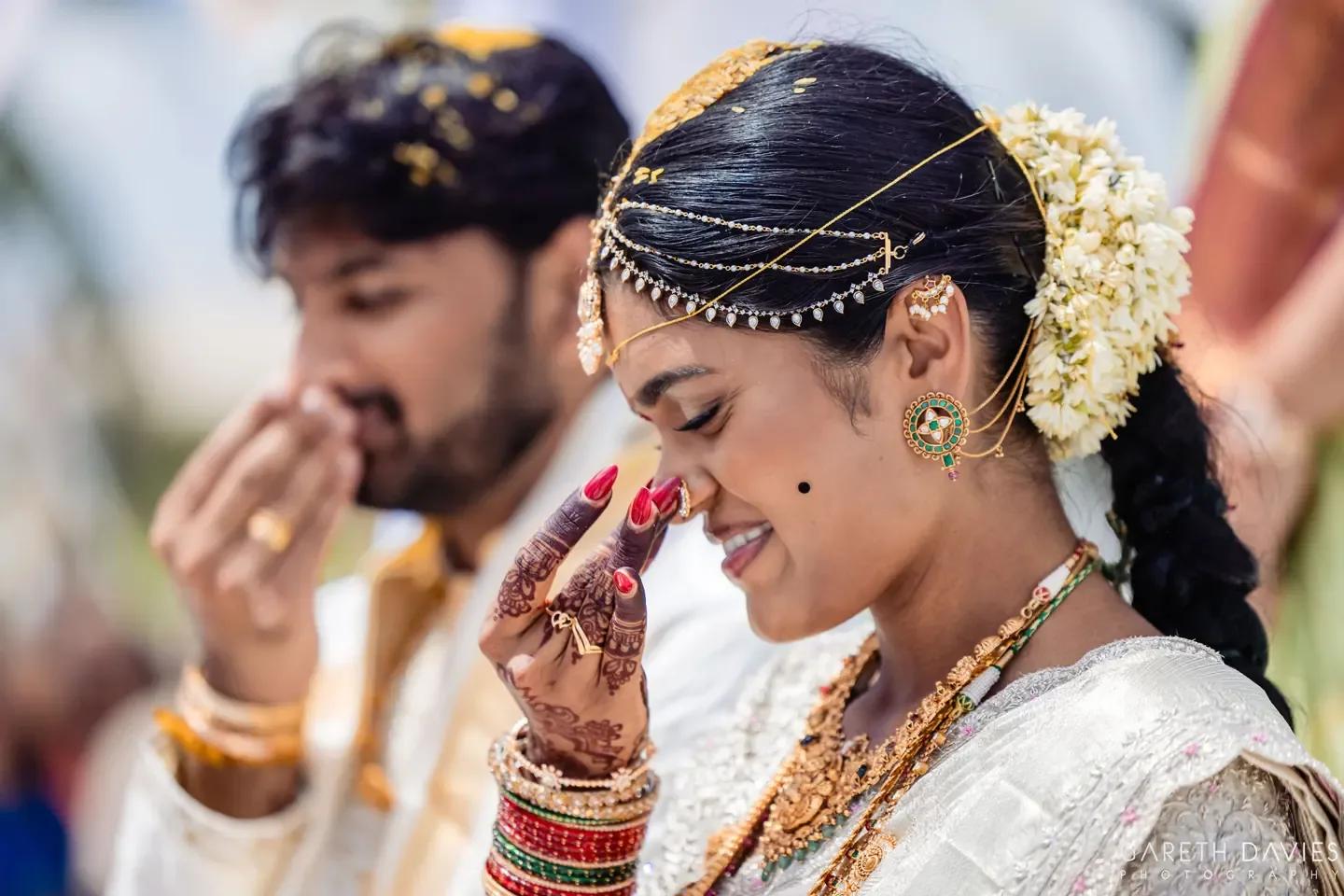
Confirmed experience and responsibilities
We have coordinated South Asian celebrations lasting up to four days and involving up to 200 guests. We coordinate spaces, suppliers and the master timeline. Religious authorities direct the ceremonies, specialist suppliers execute their services and the hotel approves use of its spaces. Discuss your actual tradition rather than assuming every South Asian wedding has the same rituals.
Rituals and religious authority
We have coordinated Mehndi, Sangeet, Haldi and Baraat activities as part of the wider wedding program. A religious authority or designated family expert must direct the cultural meaning and correct sequence. We manage timing, spaces, suppliers, transportation and execution around those instructions.
Venue permissions
Before signing, confirm that the venue permits outside photographers, henna artists and religious professionals with minimal or no fee where possible. Couples often bring specialists because some services are not locally available. Ceremonial fire must always be disclosed and approved in advance even when the property has handled it before.
Baraat and specialized needs
Horses or vintage vehicles may be arranged locally for the Baraat. Ritual items and officiants are often brought by the couple, while local production supports movement and setup.
Attire changes
Large resorts can place event spaces far from guest rooms. Identify nearby rooms for clothing changes, refreshing and secure garment storage. A family member commonly manages the outfits and stays close to the couple.
One operational plan
Map every event, guest movement, meal, room, vendor access window and setup requirement before arrival. Trying to manage a multi-day program remotely without a local logistics lead is the error most likely to increase cost and complexity. The planner does not replace cultural authority; the planner makes the approved program work in Punta Cana.
Special materials and food: confirm weeks ahead
Some ritual leaves, incense and desserts need advance coordination even though most elements are available locally. The hotel or specialist Indian-cuisine chef helps organize these needs. Some items may need sourcing abroad. Share the list early with the people directing the ceremony; do not assume a last-minute local substitution will serve the same purpose. We coordinate this work and do not provide the catering ourselves.
 DR Web Studio
